
X



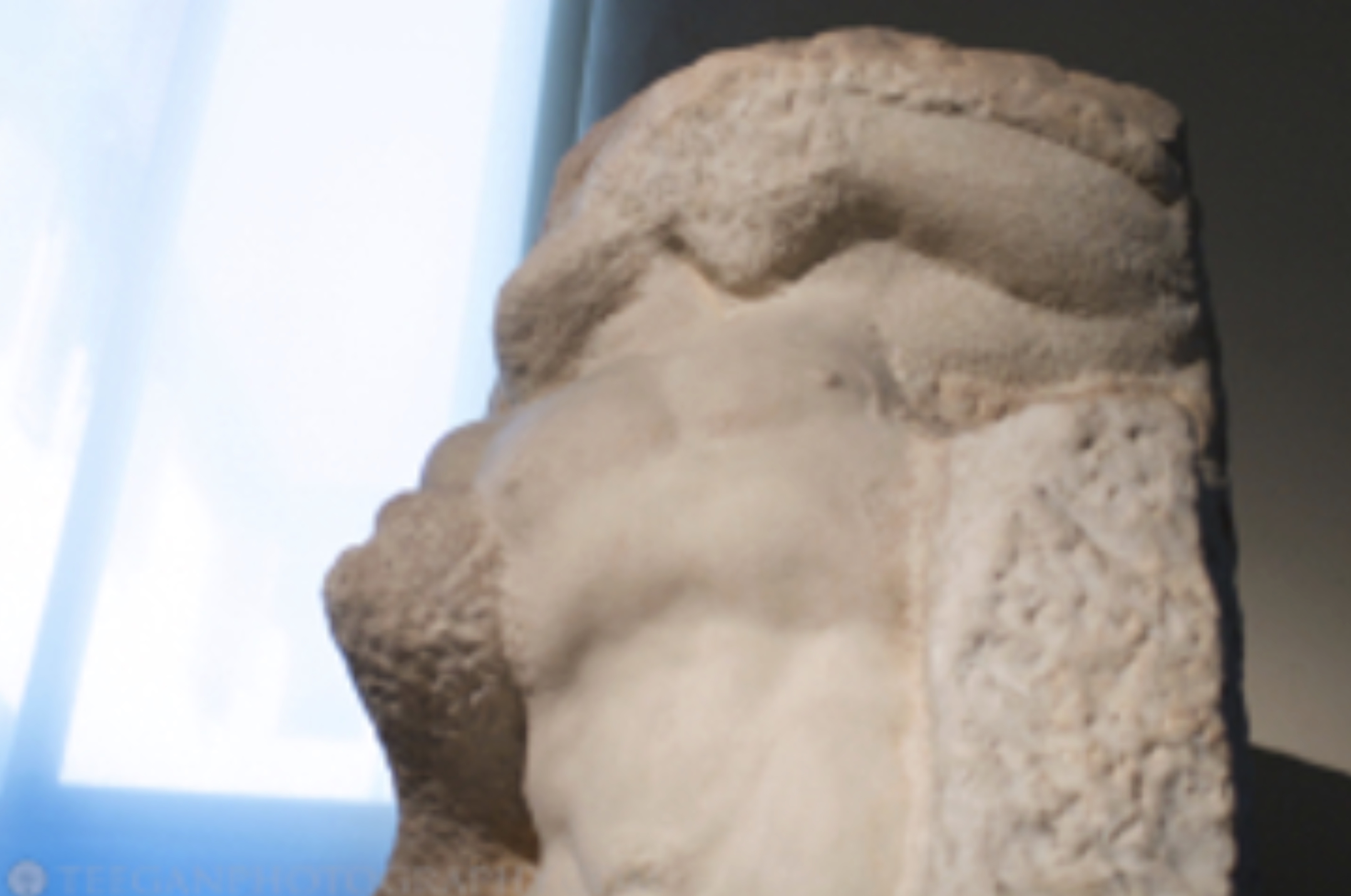
Standing in the Hall of Prisoners, at the Accademia Gallery in Florence, Italy, just feet from the famous Statue of David, are unfinished masterpieces, also created by Michelangelo. What’s so striking about them is that they appear as prisoners or captives of the marble; stone blocking them from emerging. On the other side of the room, we see the glorious, angelic statue of David. As lore has it, when people asked Michelangelo how he accessed David from a slab of marble, he said, “It was easy. I perceived the Angel in the marble and carved to set it free.”

Yes, sure. Give it to me to do. Oh, it’s my fault; I’m to blame! No, you go home; I’ll stay late and finish the task. I’m sorry. I apologize. Do you find yourself saying these things a lot? Do you say yes or apologize even when it makes things harder for you? Do you avoid confrontation at all costs because you’re afraid of not being liked? If you said yes to these questions, you might ask yourself if you are “a people-pleaser”.
Neuroscience is a vast and complex study of the human brain; even the most advanced scientists can only know so much – it’s an ever-evolving science. But we do know a lot, and we have answers to some tough questions like, “Why can’t I move beyond this thought, idea, issue, area of my life, or behavior?”

In this article, I talked about neuroscience and why we would choose to be stuck in ways that make us confused or unhappy. Staying as we have its benefits, because of the predictability factor and our drive towards self-preservation. A better version of ourselves may be pleasing to think about, yet the power of habits can keep us from moving out into the unknown.

If you've read my articles about why we stay stuck and how to get unstuck, you might be wondering: What exactly happens during and after the Patterns & Mirrors™ Workshop? And, how can it help me break free from the patterns keeping me stuck?

You know that moment when your assertiveness suddenly turns into aggression? When stepping back from conflict feels like running away? When pausing to think leaves you completely blank? Or when patience morphs into passivity? These aren't character flaws. They're your brain's automatic defense mechanisms kicking in.